

- June 3, 2026


Samsung Electronic devices introduced Tuesday that it has actually released the globe’s biggest bent video gaming screen– at 55 inches–

Twitter Inc on Friday blamed unpredictabilities connected to its $44 billion procurement by Elon Musk as well as a weakening





Hey there, tech enthusiasts and curious minds! Google I/O 2025 just wrapped up, and let me tell you, it felt

Imagine a computer that doesn’t rely on the usual silicon chips but uses light to crunch numbers at mind-blowing speeds.

Artificial intelligence (AI) isn’t just for tech nerds anymore—it’s changing how we work, create, and even talk to each other.
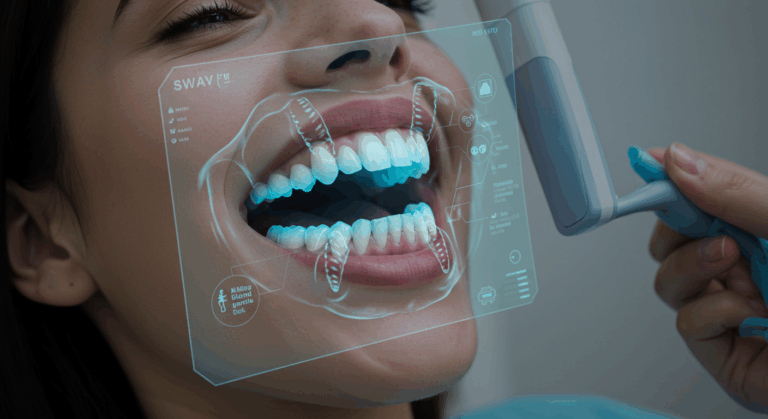
KronosMD Inc. is set to revolutionize the $10 billion dental imaging market with its groundbreaking S-WAVE™ Technology—a radiation-free, AI-powered 3D ultrasound system. As the company navigates a landscape ripe for innovation, it combines cutting-edge hardware with SaaS subscriptions to redefine dental diagnostics. With a robust intellectual property portfolio and strategic partnerships, KronosMD aims for aggressive growth. This analysis delves into its financial trajectory, market opportunities, and the unique challenges it faces, making it a compelling read for investors eager to explore the future of AI-driven healthcare disruption. Discover how KronosMD could become the “NVIDIA of dental imaging.”

On April 9-11, 2025, Google Cloud Next ’25 unveiled ambitious advancements in AI and cloud computing, showcasing a groundbreaking Rubik’s Cube simulation powered by the Gemini 2.5 Pro model. This event positioned Google as a formidable player in the AI race, with over 500 sessions and keynotes from CEO Sundar Pichai. From the revolutionary Ironwood TPU to the innovative Agent Development Kit, the announcements promise to reshape enterprise workflows and democratize AI access. But do these bold claims hold up under scrutiny? Dive into the highlights and explore what they mean for the future of technology and business.

As chemical warfare threats loom larger in an unstable world, the U.S. military is quietly revisiting a technology with roots