The heirs of the original owners will eventually receive a special work by Ludwig van Beethoven.
The Petscheks, formerly the wealthiest family in pre-World War II Czechoslovakia, fled the country in order to avoid the Holocaust, hence the manuscript wound up in the archives of the Moravian Museum in the Czech city of Brno.

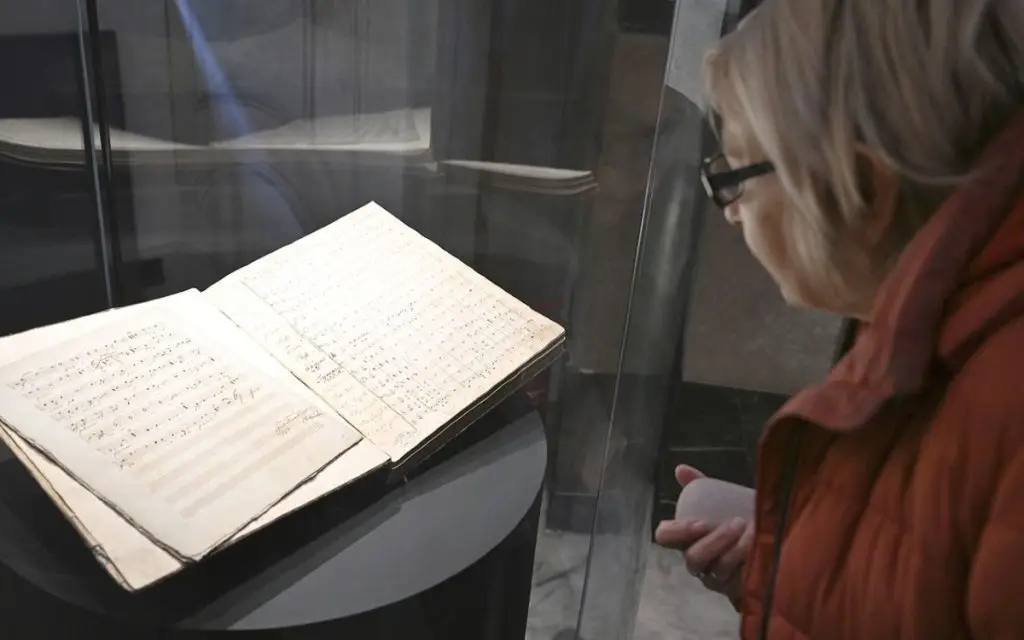
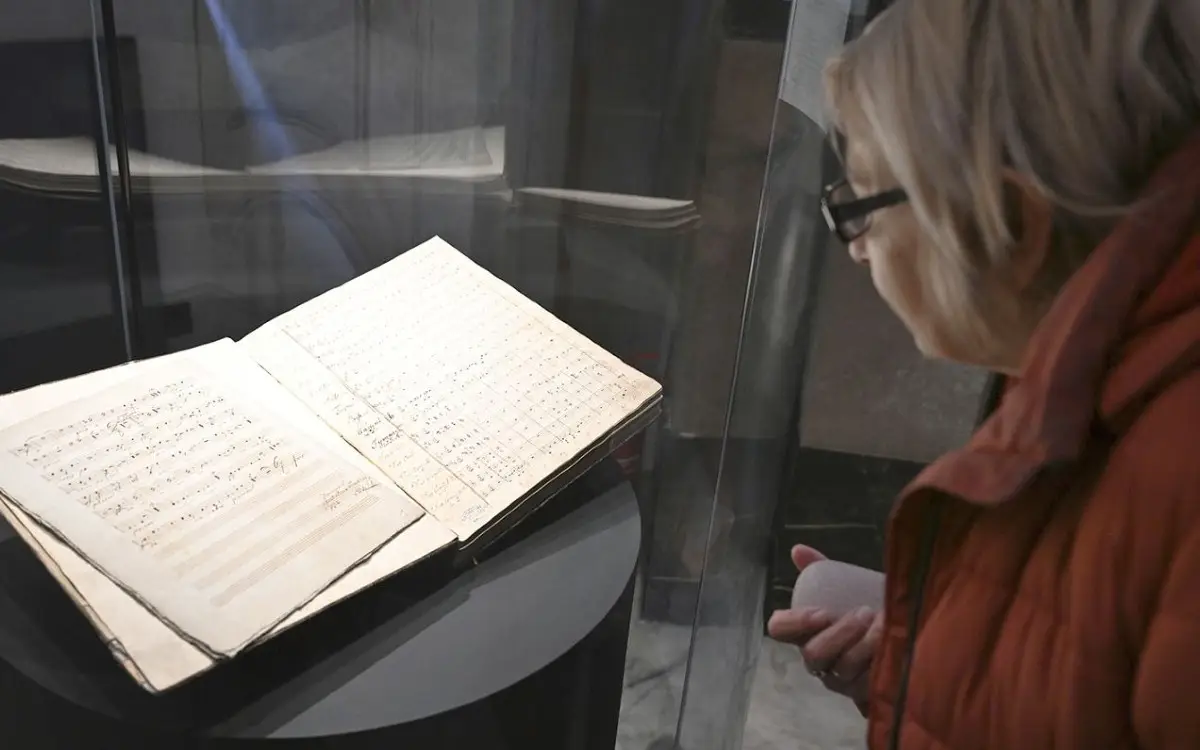
For more than 80 years, the museum held onto the autograph of the 4th movement of the string quartet in B-flat Major, op. 130, a highly regarded late quartet by the German composer.
The Nazi-stolen goods can now be returned thanks to a municipal ordinance requiring restitution.
The score was displayed for five days for the first time by the Moravian Museum curators before it was to be given to the Petschek family.
“The item itself has a fascinating collecting story,” says curator Simona Sindlarova. “The whole story reflects the history of Central Europe in the last 200 years.”
Nearly 300 pages of the autograph are currently held by museums, archives, and libraries in five nations, including the Czech Republic, France, Germany, Poland, and the US.
Beethoven, who passed away in 1827, is known to have given the 4th movement to his secretary Karl Holz before the Petcheks acquired it. At least two other Vienna-based private owners eventually bought it.
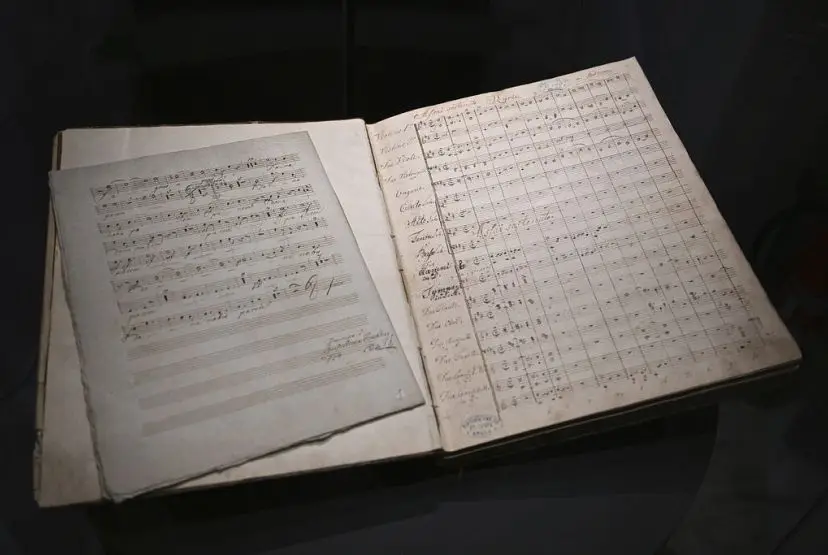
The Petchek family asked to have the artwork sent abroad by mail in March 1939, but the attempt failed during the Nazi annexation of Czechoslovakia, attracting the attention of the Gestapo.
It is then that “the expert from the Moravian Land Museum was called in to verify the authenticity of the autograph,” explains Sindlarova.
“He immediately recognised its veracity, but in order to protect it from the occupiers, he and others involved denied it was authentic.”
The deception, which could have cost him dearly, was successful, and the Germans permitted the museum to keep the object in its holdings.
The Nazis took the majority of the family’s companies and belongings, which the Communist government afterwards nationalized.
Frantz Petschek attempted to recoup the score from their American home, but the Iron Curtain and post-war split of Europe made his attempts ineffective.
Ultimately, a contract to transfer ownership from the museum to the heirs was sealed on August 3.
“Absolutely, it rightly belongs to the Petscheks. It is a question what will be next. A new chapter of this fascinating collector’s story is here,” says Sindlarova.