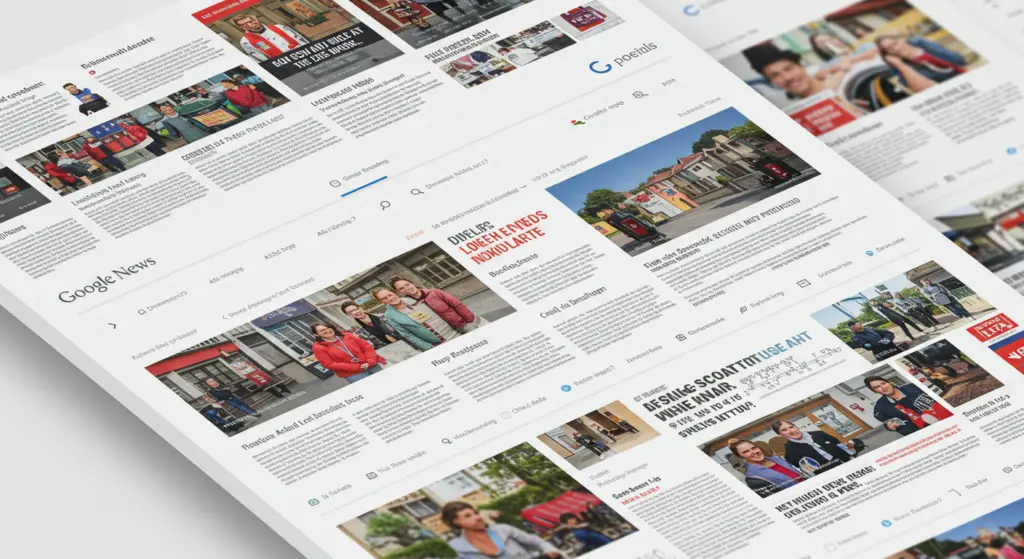
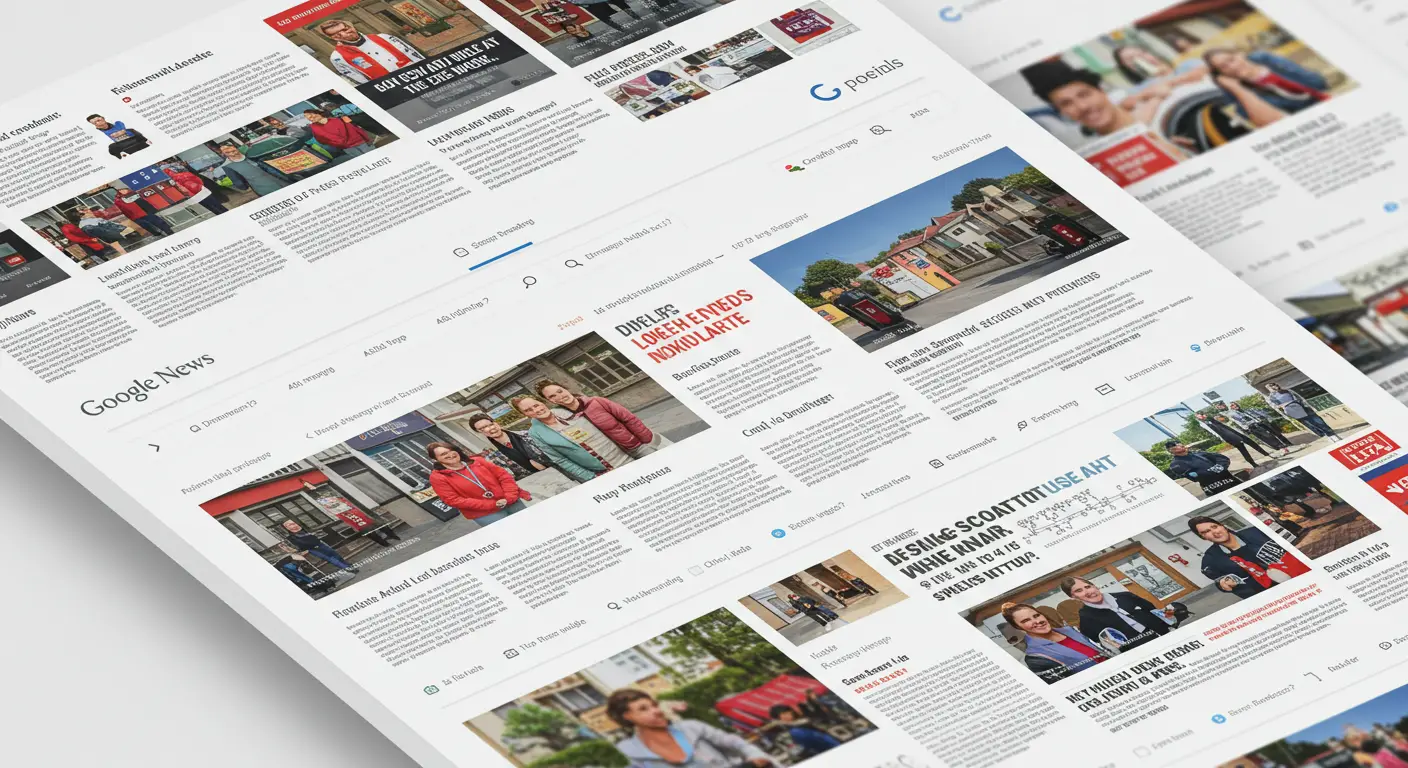
April 1, 2025 – Google News’ recent announcement of a full transition to automatically generated publication pages by late March 2025 has sent ripples through the media and PR ecosystem. Unveiled initially in April 2024 and detailed in a February 10, 2025, update (last revised March 20, 2025), this change eliminates manual publication pages, RSS feeds, and several customization options in Google’s Publisher Center. While pitched as a workflow simplification and user experience enhancement, the move raises critical questions for publicists and their companies: How will it reshape their operations, visibility, and influence? And does it signal a subtler, algorithmic form of censorship?
A New Landscape for Publicists
Publicists thrive on controlling narratives and ensuring their clients’ stories reach the right audiences. Google News, a key visibility platform, has long been a tool in their arsenal—until now. The shift to automation introduces both opportunities and challenges for PR firms.
- Reduced Control, Increased Efficiency
The elimination of manual publication pages and custom sections in Publisher Center strips publicists of granular control over how clients’ brands appear in Google News. Logos will now default to site favicons, and titles to site names, requiring PR teams to pivot toward technical optimization (e.g., ensuring favicons are updated and site metadata is precise). For larger firms with robust digital teams, this might streamline efforts, redirecting focus from manual tweaks to content strategy. However, smaller agencies or those less tech-savvy could struggle, risking diminished client presence if sites aren’t adequately prepped. - Visibility Roulette
Google’s assurance that content eligibility remains unchanged—based on relevance, prominence, authoritativeness, freshness, location, and language—offers little comfort when some publications might not receive auto-generated landing pages. For publicists, this uncertainty could mean reduced exposure for clients, especially niche or emerging outlets reliant on Google News traffic. Companies may need to double down on SEO and alternative channels, inflating budgets and complicating campaign metrics. - Global Reach, Local Risks
The default global distribution of content (with country-specific restrictions limited to News Showcase) could amplify reach—a boon for international campaigns. Yet, it also risks diluting localized messaging, a cornerstone of many PR strategies. Publicists may find their carefully tailored regional narratives drowned out in a borderless news feed, forcing a rethink of targeting tactics. - Adapt or Lag
The discontinuation of video submissions via Publisher Center and changes to Google Assistant’s text-to-speech feature (e.g., requiring meta tags to opt out) add technical hurdles. PR firms must now coordinate more closely with clients’ web teams, potentially straining resources or client relationships if updates lag.
In short, the transition could favor well-resourced, adaptable PR companies while challenging smaller players or those slow to pivot. The burden shifts from creative storytelling to technical compliance—a shift that might redefine the publicist’s role itself.
Censorship or Evolution?
Beyond operational impacts, a deeper question looms: Is this automation a veiled form of censorship? The debate hinges on intent and outcomes.
On one hand, Google frames this as a neutral evolution—automation driven by efficiency, not suppression. Content policies remain unchanged, and rankings still prioritize algorithmic factors like relevance and authority. Publicists can still get clients’ stories into Google News if they meet these criteria, suggesting no overt gatekeeping.
Yet, the loss of manual control and the opacity of auto-generation raise red flags. If some publications don’t get landing pages, or if favicon-based branding obscures smaller outlets, visibility becomes a privilege of the algorithmically favored—often established, well-optimized players. Critics might argue this indirectly silences less prominent voices, not through explicit bans but through exclusion-by-design. The global distribution shift could also amplify dominant narratives while sidelining local or dissenting ones, a dynamic some equate to soft censorship.
Unlike traditional censorship, where content is blocked outright, this feels more like curation by neglect—less visible, but potentially as impactful. Without transparency into how Google’s systems decide which publications get pages or how rankings weigh “prominence,” publicists and publishers are left guessing. For PR firms, the lack of agency over these outcomes could feel like a loss of free expression, even if unintentional.
The Road Ahead
For publicists, adaptation is non-negotiable. Companies must invest in technical expertise, prioritize site optimization, and diversify beyond Google News to platforms like X or direct outreach. Clients may demand more accountability for results in this less predictable landscape, testing PR resilience.
As for censorship, the jury’s out. Google’s move isn’t a classic clampdown, but its algorithmic gatekeeping could subtly reshape whose stories get told. Publicists, ever the narrative architects, now face a paradox: mastering a system that’s increasingly out of their hands.
What’s clear is that Google News’ automated era marks a turning point. For PR firms, it’s a call to evolve—or risk fading into the algorithmic ether.