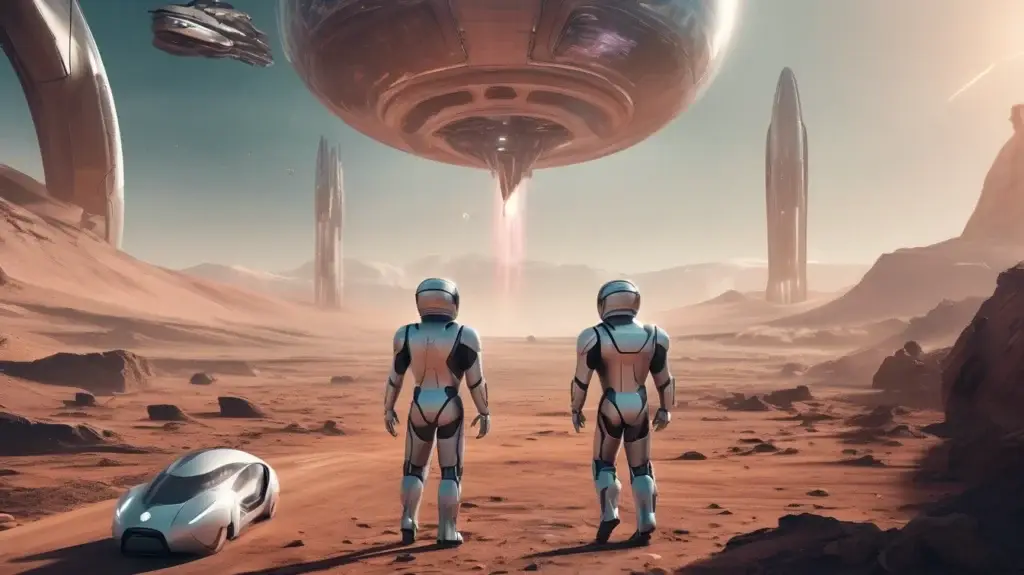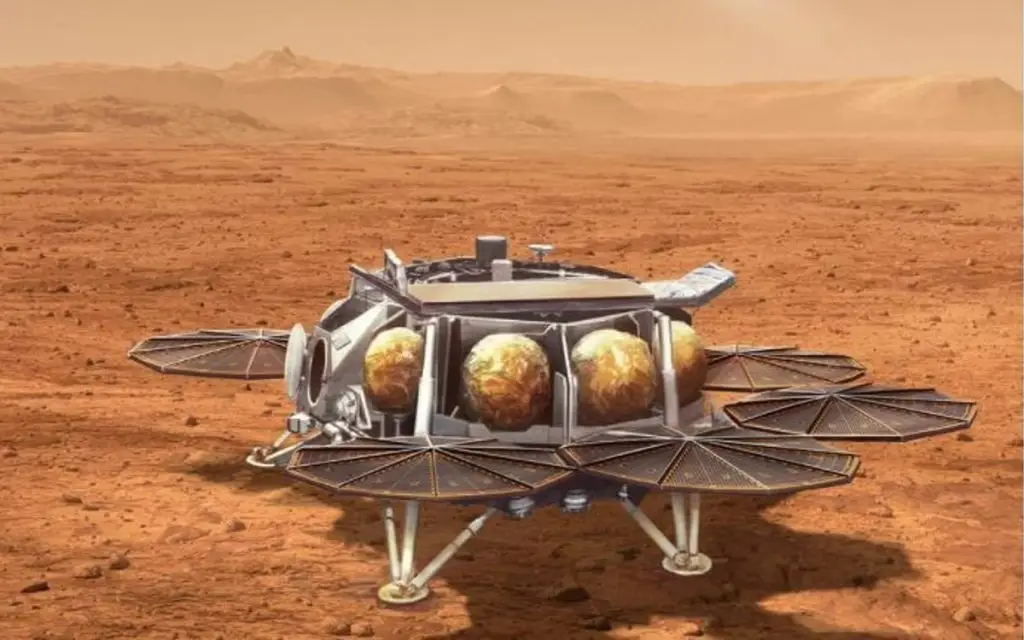
The crimson allure of Mars has captivated humanity for centuries, but the dream of transforming the Red Planet into a second Earth, a process known as terraforming, presents a monumental challenge. While the year 2025 might seem like a futuristic deadline for such an ambitious goal, the reality is that terraforming is a long-term vision, with current efforts focused on laying the groundwork for future possibilities.
The Martian Gauntlet: Obstacles to Overcome

Mars, while tantalizingly close, is a world vastly different from our own. Its atmosphere is a mere whisper, a hundredth of Earth’s density, resulting in frigid temperatures and the inability for liquid water to persist on the surface. Adding to the planet’s inhospitable nature is the absence of a global magnetic field, leaving it exposed to the harsh radiation of the Sun.
Deciphering the Past, Shaping the Future
Before we can even contemplate terraforming, we must first understand Mars’ history. Current research is delving into the planet’s geological past, seeking clues about its once potentially wetter and warmer climate. Studies analyzing the composition of Martian minerals and the planet’s reddish hue are vital in reconstructing this past and assessing the feasibility of future terraforming efforts.
Terraforming: Concepts and Realities
Scientists have proposed various strategies to transform Mars, each with its own set of hurdles:
- Greenhouse Gas Release: The idea of liberating trapped carbon dioxide to thicken the atmosphere and raise temperatures is a cornerstone of terraforming concepts. However, recent studies suggest that the available CO2 may be insufficient.
- Importing Volatiles: Introducing substances like ammonia or methane from other celestial bodies could potentially bolster the atmosphere. However, these lighter gases are prone to escaping Mars’ weak gravity.
The Near-Term Focus: Building a Foundation
Recognizing the immense challenges, current efforts are prioritizing more immediate goals:
- Habitat Development: Designing and constructing sustainable habitats capable of supporting human life on Mars is paramount.
- In-Situ Resource Utilization (ISRU): Harnessing Mars’ native resources, such as water ice and minerals, is essential for long-term sustainability.
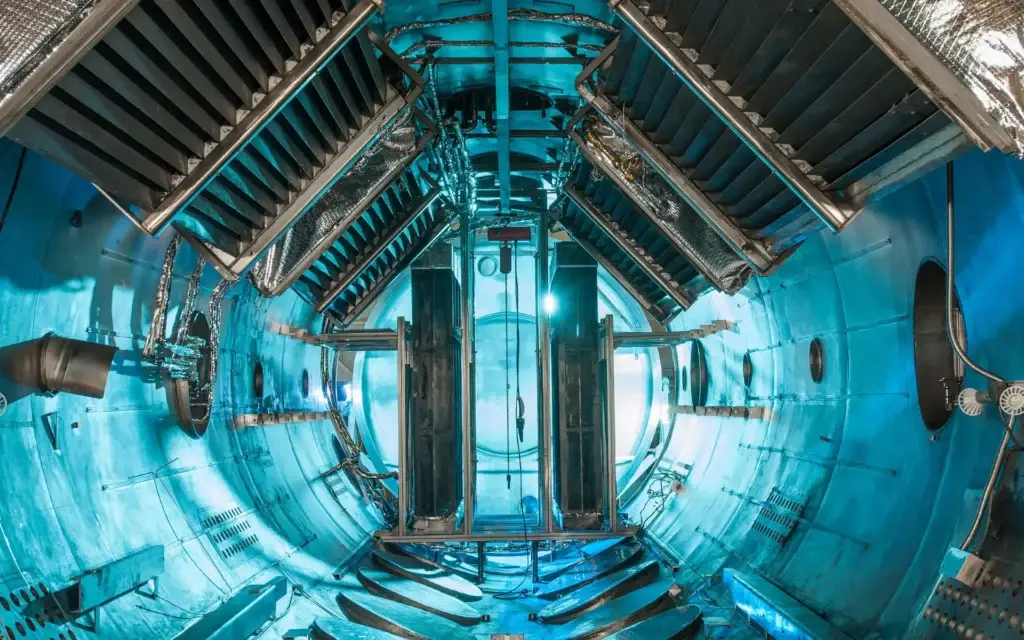
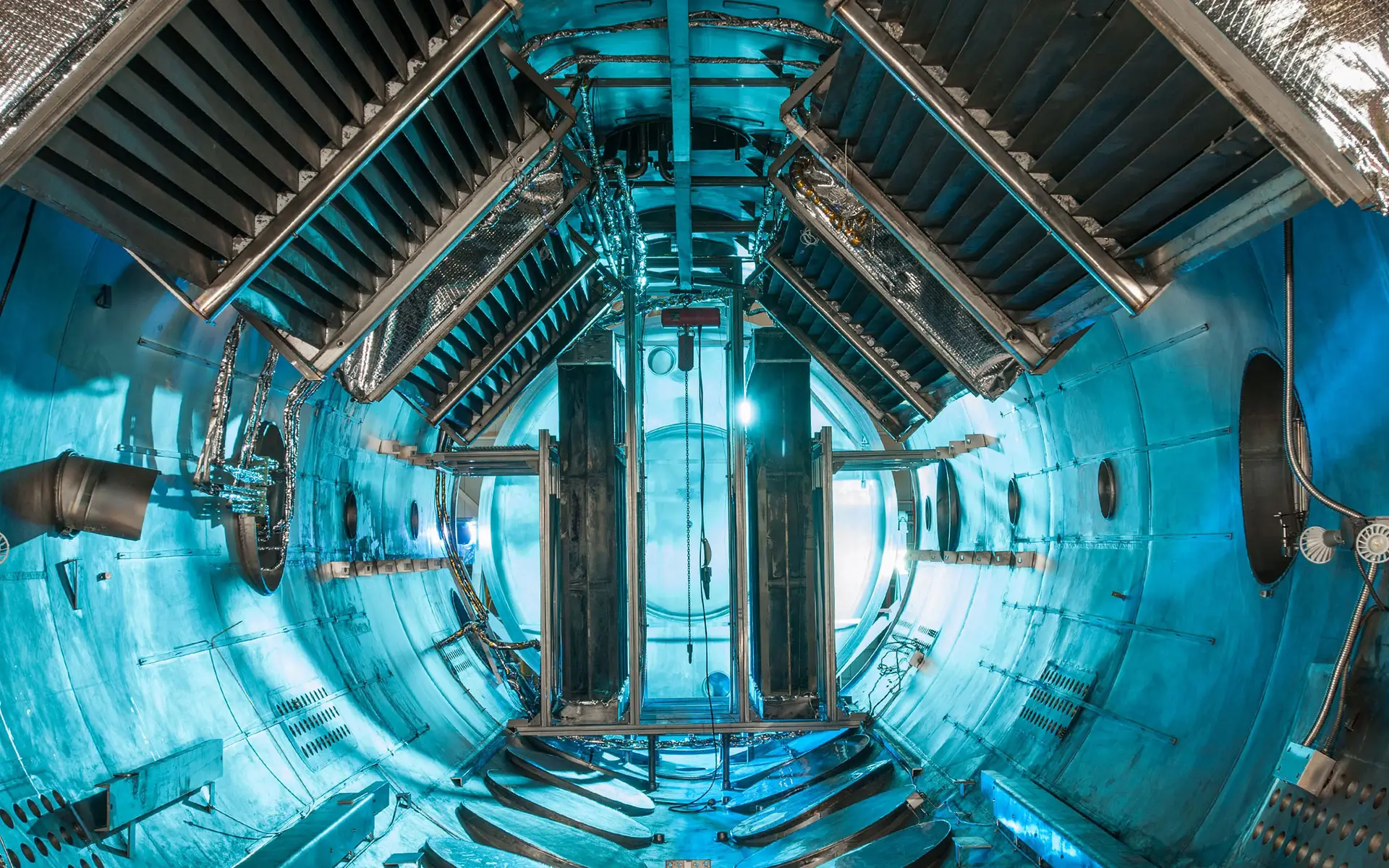
- Mars Analog Missions: Simulating Martian conditions in Earth-based environments, like the Mars Desert Research Station, allows researchers to test technologies and prepare future astronauts.
2025 and Beyond: A Journey of Discovery
While the ambitious goal of a habitable Mars by 2025 is far beyond our current technological reach, the ongoing research and exploration are crucial steps in a much longer journey. Organizations like NASA and the Mars Society are actively engaged in advancing our understanding of the Red Planet.
The pursuit of terraforming Mars is not just about transforming a planet; it’s about pushing the boundaries of human ingenuity and expanding our understanding of the universe. While a fully terraformed Mars may be decades, or even centuries away, the seeds of that future are being sown today. The dream of a second home in the cosmos remains a powerful motivator, driving us to explore, innovate, and ultimately, reach for the red.