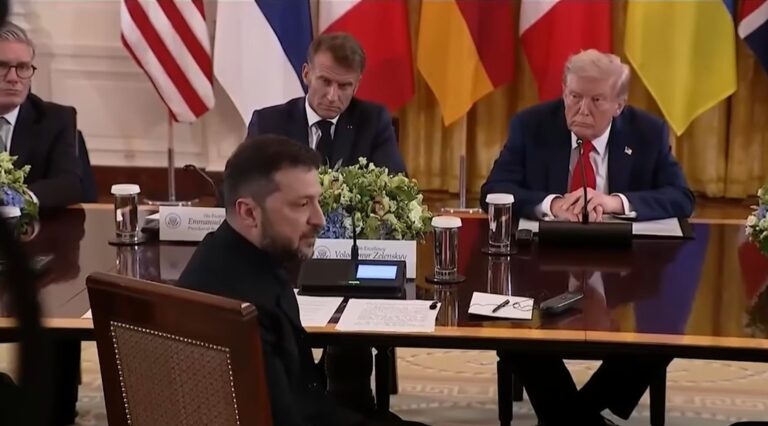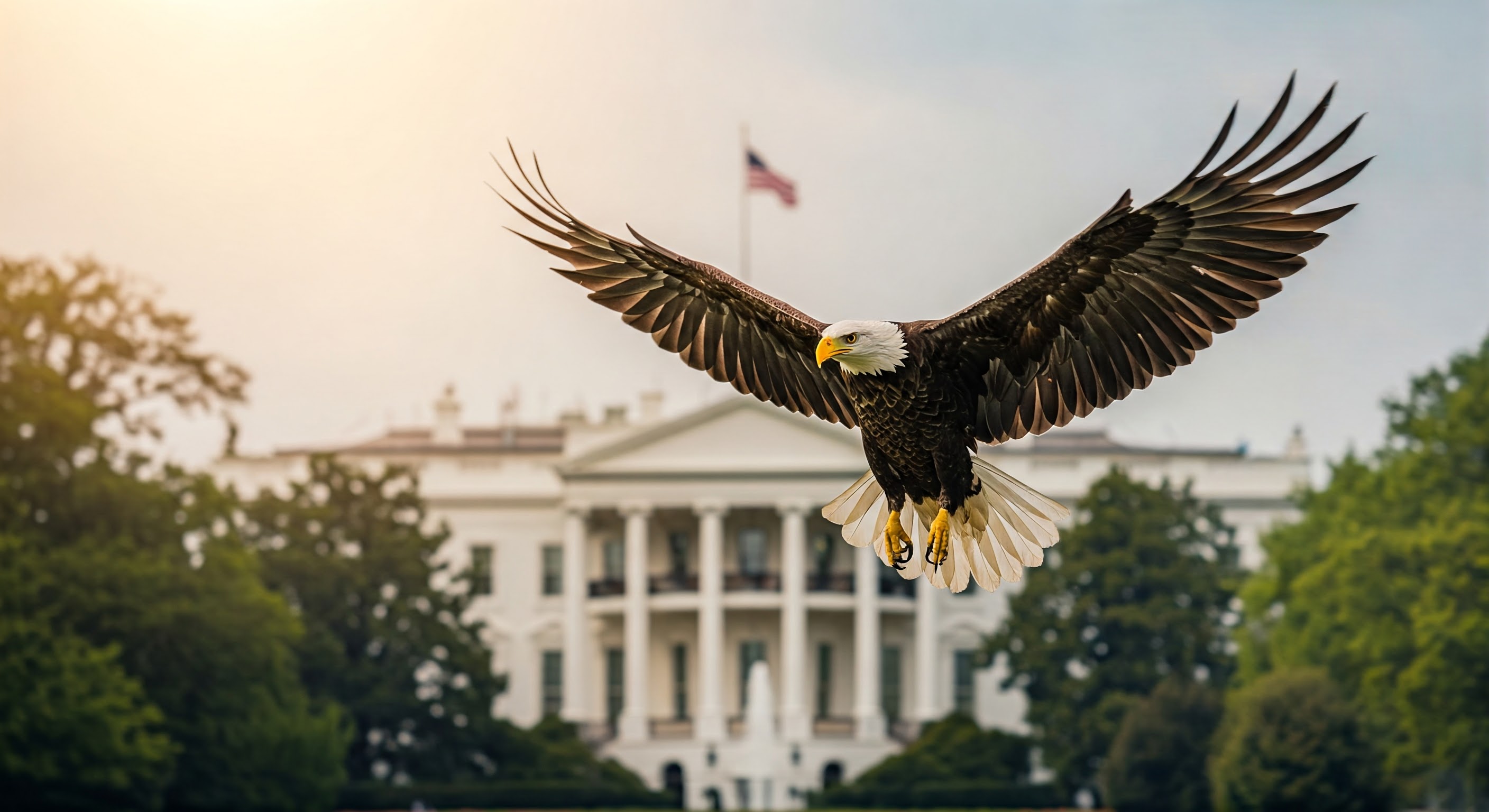
The White House, 1600 Pennsylvania Avenue, stands as a symbol of American power and a focal point for global attention. More than just a residence, it’s the operational heart of the executive branch, a place where policy is shaped, decisions are made, and history unfolds.
Understanding the White House requires looking beyond the iconic facade. It’s a complex ecosystem, encompassing the President’s office, the West Wing, the East Wing, and the sprawling grounds. Each area plays a crucial role in the daily workings of the administration.

The West Wing: Where Policy Takes Shape
The West Wing is arguably the most influential part of the White House. It houses the Oval Office, the President’s workspace, and the Situation Room, where national security crises are managed. This area is a hive of activity, with senior advisors, policy experts, and communication staff working tirelessly to execute the President’s agenda.
- The Oval Office: This is the President’s formal workspace, where they meet with world leaders, sign legislation, and address the nation. Its design and furnishings often reflect the style and priorities of the current administration.
- The Situation Room: Located in the basement, this secure command center is where the President and their advisors monitor and respond to global events.
- The Press Briefing Room: This is where the White House Press Secretary conducts daily briefings, fielding questions from journalists and providing updates on the administration’s activities.
The East Wing: First Lady and Social Functions
The East Wing is primarily the domain of the First Lady. It houses the First Lady’s office, where they manage their initiatives and public appearances. This area also serves as a venue for social events and official ceremonies.
- The First Lady’s office: The First Lady uses this space to promote her chosen causes, such as education, health, or military families.
- Social Events: The East Wing plays a key role in hosting visiting dignataries and large events.
The White House Website: A Window into the Administration
For those seeking to understand the inner workings of the White House, the official website, WhiteHouse.gov, is an invaluable resource. It provides access to:
- Presidential Actions: Executive orders, proclamations, and other official documents.
- Press Briefings and Statements: Transcripts of press briefings and official statements from the administration.
- News and Updates: The latest news from the White House, including policy announcements and event coverage.
Beyond the Walls: Public Perception and Influence
The White House is not just a physical space; it’s a symbol that resonates with the American public and the world. Public perception of the White House and the President’s actions plays a significant role in shaping political discourse and influencing policy.
In an era of constant communication, the White House must navigate the challenges of social media, 24-hour news cycles, and global scrutiny. Its ability to communicate effectively and maintain public trust is essential to its success.
The White House remains a dynamic and ever-evolving institution, a place where the past, present, and future of the United States converge.