

As the Russia-Ukraine war intensifies in 2025, Andrei Illarionov’s 2014 comparison of Vladimir Putin’s Valdai Club speech to Adolf Hitler’s 1939 letters to Neville Chamberlain feels eerily prescient. A former Putin advisor turned critic, Illarionov warned that the Russian leader’s rhetoric mirrors Hitler’s imperial ambitions, a claim that resonates amid today’s debates over Ukraine, NATO, and Western policy under Donald Trump’s second term. This article dives into Illarionov’s analysis, its chilling parallels, and why it matters now for readers in the US, UK, and Europe.
What Is Illarionov’s Putin-Hitler Comparison?
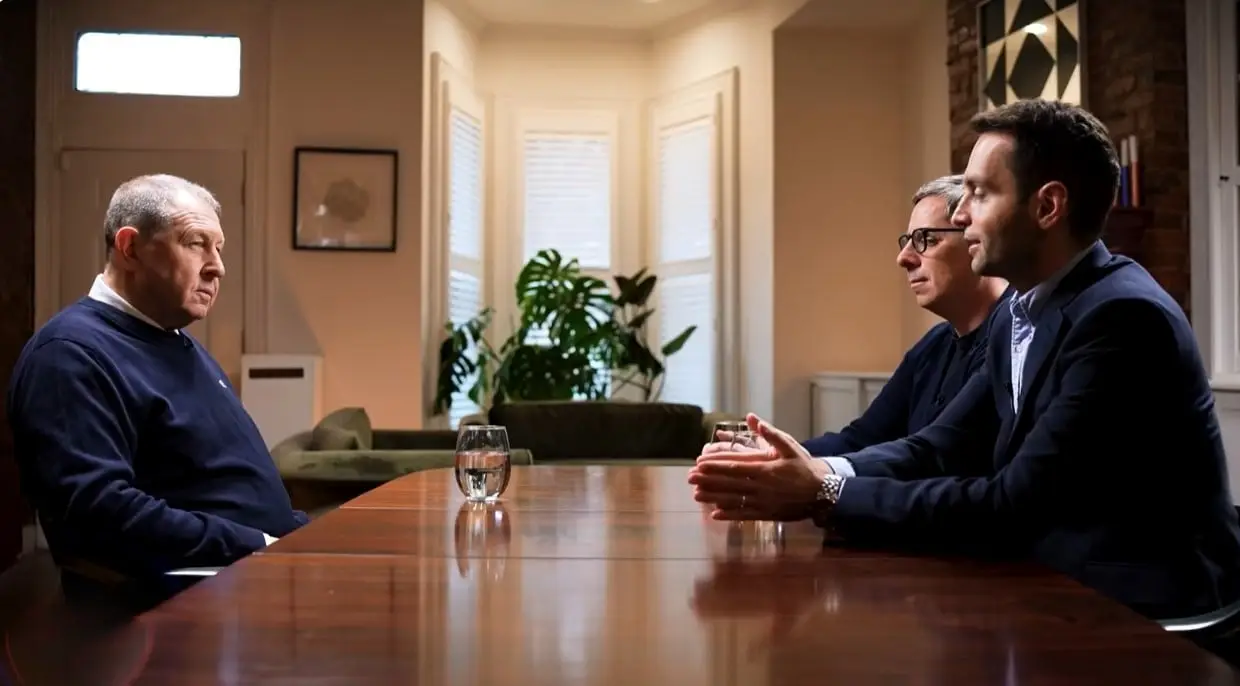
In a detailed LiveJournal post from November 20, 2014, Andrei Illarionov, once a senior economic advisor to Putin (2000-2005), analyzed Putin’s October 24, 2014, Valdai Club speech alongside Hitler’s August 1939 messages to UK Prime Minister Neville Chamberlain. Using a side-by-side table, he identified over 20 rhetorical similarities, arguing that both leaders share an authoritarian mindset bent on territorial expansion and dismantling international norms.
Illarionov’s comparison isn’t just academic—it’s a wake-up call. He presented this analysis to English-speaking audiences, including at the Atlantic Council in April 2015, urging the West to recognize Putin’s threat. With Russia’s military output surpassing NATO’s in 2025 and Ukraine’s fate hanging in the balance, his warning feels more urgent than ever.
Key Similarities Between Putin and Hitler
Illarionov’s table highlights striking parallels. Here are some standout examples:
- Territorial Claims: Hitler demanded Danzig and the Polish Corridor, citing German interests; Putin justified Crimea’s annexation as protecting Russian-speaking populations.
- Negotiations as Pretext: Hitler offered “generous” talks with England while planning Poland’s invasion; Putin insisted on dialogue over Ukraine’s integrity before escalating in 2014 and 2022.
- Blaming Others: Hitler accused England of encouraging Polish aggression; Putin blamed the West for destabilizing Ukraine via agreements with ousted leader Viktor Yanukovych.
- Sphere of Influence: Both proposed dividing the world with great powers—Hitler with Britain, Putin with the US—while dismissing smaller nations’ sovereignty.
These parallels suggest Putin, like Hitler, frames aggression as defense, a tactic Illarionov ties to historical imperialism. For readers in London or Washington, this echoes the appeasement debates of the 1930s, raising questions about current US and UK policies toward Russia.
Why Illarionov Made This Comparison
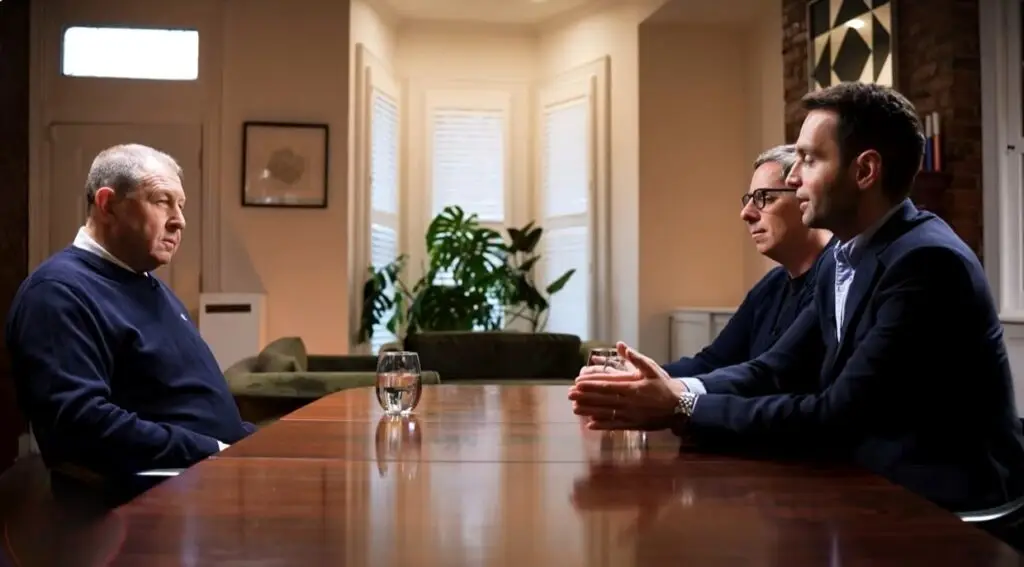
Illarionov’s goal wasn’t to shock but to warn. In his analysis, he argues Putin’s 2014 speech—delivered months after Crimea’s annexation—revealed a plan to revise the post-WWII order, much like Hitler’s pre-WWII ambitions. He sees Putin’s rhetoric as a blueprint for subjugating Ukraine and beyond, a threat he reiterated in a 2025 TRIGGERnometry interview with Konstantin Kisin and Francis Foster.
Interestingly, Illarionov suggests these similarities might not be deliberate. Kremlin speechwriters, he posits, may not have read Hitler’s letters (unavailable in Russian), instead channeling a shared authoritarian logic. This unexpected twist deepens the analysis, implying a structural danger in Putin’s regime, not just a stylistic echo.
How This Applies to 2025: Ukraine, Trump, and Europe
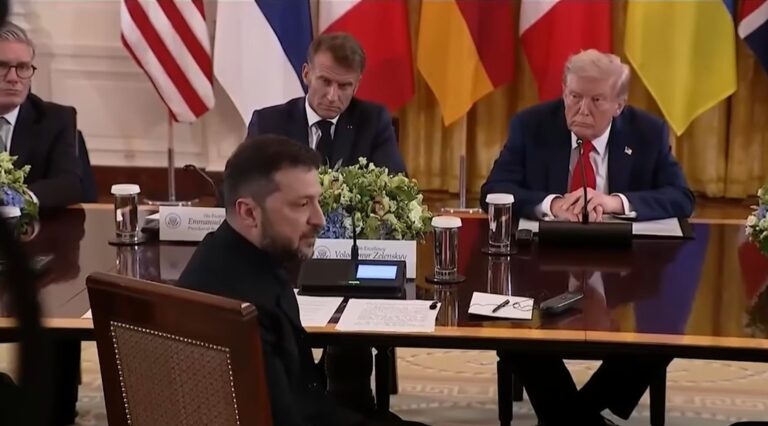
Fast forward to March 31, 2025. Russia’s war in Ukraine rages on, with Putin’s forces outproducing NATO in artillery shells and missiles, as Illarionov noted in TRIGGERnometry. Meanwhile, Donald Trump’s second term has sparked fears of a US-Russia deal sidelining Ukraine, a scenario Illarionov calls “capitulation” akin to 1930s appeasement.
For Americans, this raises stakes in debates over Trump’s foreign policy—prioritizing China over Europe, potentially leaving allies like the UK and Poland vulnerable. In London, Illarionov’s warning aligns with concerns about Britain’s depleted military, unable to counter a Russian threat alone. Across Europe, from Berlin to Vilnius, his prediction of nuclear proliferation (e.g., Germany or Poland arming up) looms large if US support wanes.
Search trends in 2025 show spikes for “Russia Ukraine war updates” and “Putin NATO conflict” in the US and UK, reflecting public anxiety Illarionov’s analysis taps into. His call for robust Ukrainian support and Western rearmament targets these fears head-on.
Historical Context and Modern Differences
Illarionov’s Hitler parallel is compelling, but context matters. In 1939, no nuclear weapons deterred escalation; today, they complicate Putin’s calculus. Hitler faced a simpler geopolitical stage, while Putin contends with China and a fragmented West. Still, Illarionov argues these differences don’t diminish the threat—Russia’s industrial edge and Ukraine’s potential subjugation could embolden further aggression, nuclear or not.
For readers in New York or Manchester, this isn’t abstract history—it’s a lens on today’s headlines. Google data shows “Ukraine nuclear risk” searches rising in early 2025, echoing Illarionov’s proliferation warning.
Why It Matters Now
Illarionov’s analysis isn’t just a history lesson; it’s a geopolitical red flag. In 2025, as Russia outpaces NATO militarily and Trump’s administration shapes US policy, his comparison suggests:
- Ukraine’s Fate: A Russian victory could militarize Ukraine against Europe, per Illarionov’s TRIGGERnometry fears.
- Western Response: Appeasement risks repeating 1939, while resistance (e.g., NATO expansion, UK rearmament) could deter Putin.
- Global Stability: Nuclear proliferation, from Warsaw to Tehran, looms if trust in agreements like the Budapest Memorandum collapses.
For US and UK audiences, this hits home. Searches for “Trump Russia deal 2025” and “UK military strength” are climbing, reflecting Illarionov’s relevance to local concerns.
Conclusion: A Call to Action
Andrei Illarionov’s 2014 Putin-Hitler comparison, once a bold warning, now feels prophetic in 2025. As Putin’s ambitions threaten Ukraine and beyond, the West—especially the US, UK, and Europe—faces a choice: heed Illarionov’s call for strength or risk a modern Munich. His analysis, rooted in evidence and history, demands attention from policymakers in Washington, London, and Brussels, and from citizens searching for answers online.
Want more? Check Illarionov’s original LiveJournal post or his 2025 TRIGGERnometry interview for deeper insights into Russia’s next moves.







4 Responses
ow, this article blew my mind! Illarionov calling out Putin’s Hitler vibes back in 2014 is wild—especially with Trump maybe cozying up to Russia now. Are we really just gonna let Ukraine get steamrolled? Also, ‘TikTok appeasement’ had me laughing too hard!
Hey Bacho! Glad you liked the piece—Illarionov’s 2014 warning does feel like he had a time machine, right? Trump and Putin golfing buddies? It’s a scary sitcom plot. Ukraine’s fate’s the big question—hope the US doesn’t trade it for a Moscow penthouse. And yeah, ‘TikTok appeasement’—I couldn’t resist! Thanks for reading
Great read on Illarionov’s Putin-Hitler link! Spot on about UK’s army being a museum piece—terrifying stuff in 2025. Reckon Putin’s got Europe in his sights next? Cheers from Manchester!
Thanks Anna! Illarionov’s crystal ball is freaky, huh? Trump’s probably sketching the 18th hole already. Putin’s playlist? Nana’s got theories—over to you, AI maestro!