

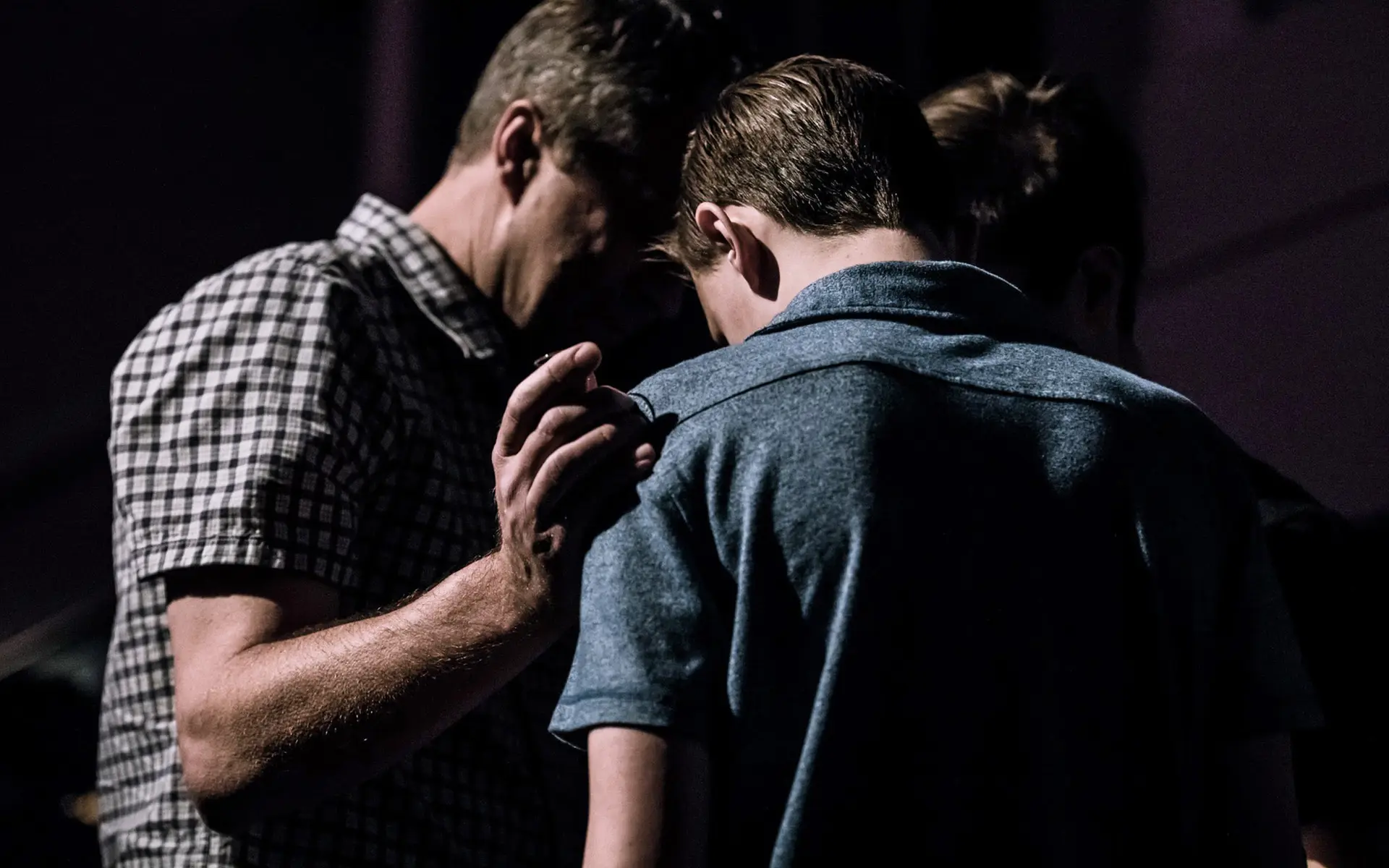
The quiet calm of Minnesota’s school communities has been punctuated by the jarring echoes of violence in recent years, leaving residents grappling with a persistent question: how can we ensure the safety of our children? While the state has seen a decrease in the overall number of school shootings compared to some other states, the impact of past tragedies and the occurrence of recent violent incidents continue to cast a long shadow.
The 2005 Red Lake High School shooting, a horrific event that claimed multiple lives, remains a stark reminder of the vulnerability of school environments. That tragedy, along with the 2003 Rocori High School shooting, forced Minnesota to confront the complex issues surrounding school safety, mental health, and access to firearms.

Recent reports have brought renewed urgency to these concerns. While not occurring within the physical confines of a school, the off-campus fatal shooting of a Champlin Park High School student has deeply shaken the community. This incident, currently under investigation, underscores the pervasive nature of youth violence and its potential to disrupt the sense of security within school communities.
The ripple effects of these incidents extend beyond immediate grief and trauma. They fuel ongoing debates about:
- Mental Health Support: The need for increased access to mental health services for students, particularly those exhibiting signs of distress or struggling with social-emotional challenges.
- School Security Measures: Discussions about the effectiveness of various security protocols, including locked doors, surveillance systems, and the presence of school resource officers.
- Community Involvement: The importance of fostering strong community bonds and creating safe spaces for young people to connect and seek support.
- Firearm Access: The complexities of balancing Second Amendment rights with the need to prevent gun violence, particularly among young people.
- Prevention and Intervention: The development of effective strategies to identify and intervene with students at risk of violence.
The legal aftermath of past school shootings also remains relevant. Parole hearings and ongoing legal proceedings serve as constant reminders of the long-term consequences of these tragedies.
Minnesota, like many other states, is engaged in a continuous effort to improve school safety. This requires a multifaceted approach that addresses the root causes of violence, strengthens support systems, and fosters a culture of prevention.
Moving forward, it is crucial that communities, schools, and policymakers work together to:
- Prioritize the well-being of students.
- Invest in mental health resources.
- Promote open communication and collaboration.
- Continuously evaluate and improve safety protocols.
While there are no easy answers, a commitment to these principles can help create safer and more supportive learning environments for all Minnesota students.






2 Responses
You know, reading this, it really hits home. We always talk about ‘solutions,’ but it feels like we’re still just reacting. I wonder, instead of just adding more security cameras or counselors after something bad happens, how do we get better at seeing the signs before things escalate? Like, how do we build a community where kids feel safe enough to actually talk about what’s bothering them, before it turns into something awful?
Totally get where you’re coming from. It’s easy to get caught up in checklists and ‘fixes’ after a tragedy, but you’re right, that’s not really solving the core problem. It’s like putting a band-aid on a deeper wound. What if we focused on building those connections beforehand? Think about it: what if schools had regular ‘check-in’ circles where kids could just talk, no judgment, about whatever’s going on? Or if teachers got more training in recognizing subtle signs of stress or isolation? And maybe even, like, community events where kids and adults just hang out, get to know each other, break down those ‘us vs. them’ barriers? It’s not about being perfect, but about creating a space where kids feel like they’re seen and heard, and that someone actually cares. That feels way more powerful than just adding another metal detector, you know?